
ERC-5564: HOW TO MAKE UP FOR SHORT COLLECTION PRIVACY IN THE ETHER WORKSHOP BOARD

By Vaidik Mandloi
Photo by Luffy, Foresight News
original link: https://foresightnews.pro/article/detail/95097
Statement: For the purpose of reproduction, readers can obtain more information by linking to the original language. If the author has any objection to the reproduction, please contact us and we will proceed with the modifications requested by the author. Reproduction for information-sharing purposes only does not constitute any investment proposal and does not represent the views and positions of Wu。
Have you ever opened Esther's wallet to search for a deal, just to see what it looks like in an outsider's eyes。
Your current balance, every token you ever held, every NFT you've bought, the interlocking agreements, all those late-night DeFi attempts, every airdrop you claim or ignore... everything's there, completely open。
IMAGINE YOU SEND THIS ADDRESS TO FREELANCERS WHO PAY YOU, TO GIVE YOU FINANCIAL SUPPORT, TO DAOS, EVEN TO PEOPLE YOU JUST MET AT THE CONFERENCE. IT'S NOT JUST A COLLECTION ADDRESS, IT'S A COMPLETE CHAIN OF FINANCIAL LIFE。
The reason is simple: each address, like most public chains, is essentially an open book。
Most people have felt this twitch. One second before you paste your wallet; someone just opens a "new wallet" to collect; and some people move the money before the balance leaks too much information。
This instinct is not limited to encrypted primary users. Consensys 2023, a global survey covering 15,000 people: 83% of people value data privacy, but only 45% trust existing Internet services。
ERC 5564 IS DESIGNED TO ADDRESS THIS ISSUE OF ADDRESS RELEVANCE. IT BRINGS THE SECRET ADDRESS INTO THE ETHER HOUSE: A STANDARD THAT YOU CAN COLLECT WITHOUT ALWAYS EXPOSING THE MAIN WALLET。
WHAT DID ERC 5564 BRING
At the heart of the problem is that an address will permanently record all your behavior. Then why do you have to repeat the same address
Think about how the real world collects: someone needs your account number for your bank transfer, which doesn't change every time you collect. Over time, the bank account has become a complete record of your income, consumption and savings. The difference is that only you and the bank can see it。
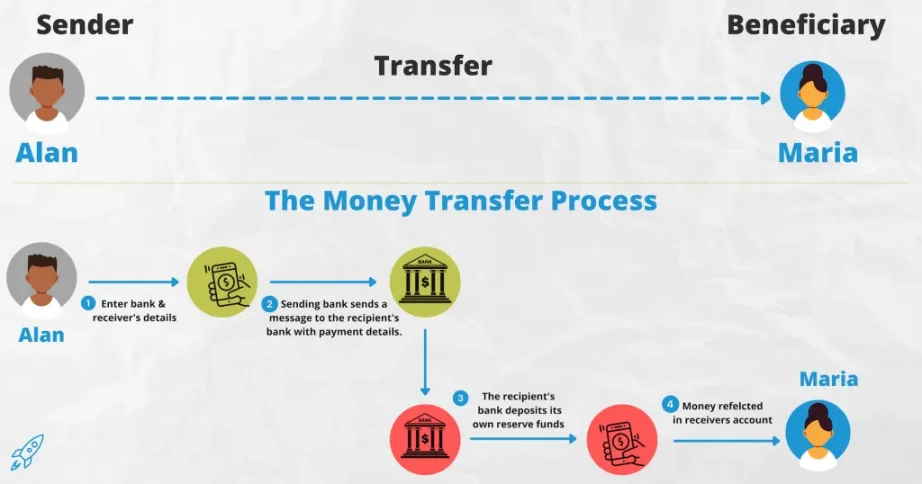
On the Ether Workshop, the wallet is structured the same: it is a permanent account in the overall state of the network. People need the address to transfer money to you, the address is the same and all transactions are recorded at the same public address。
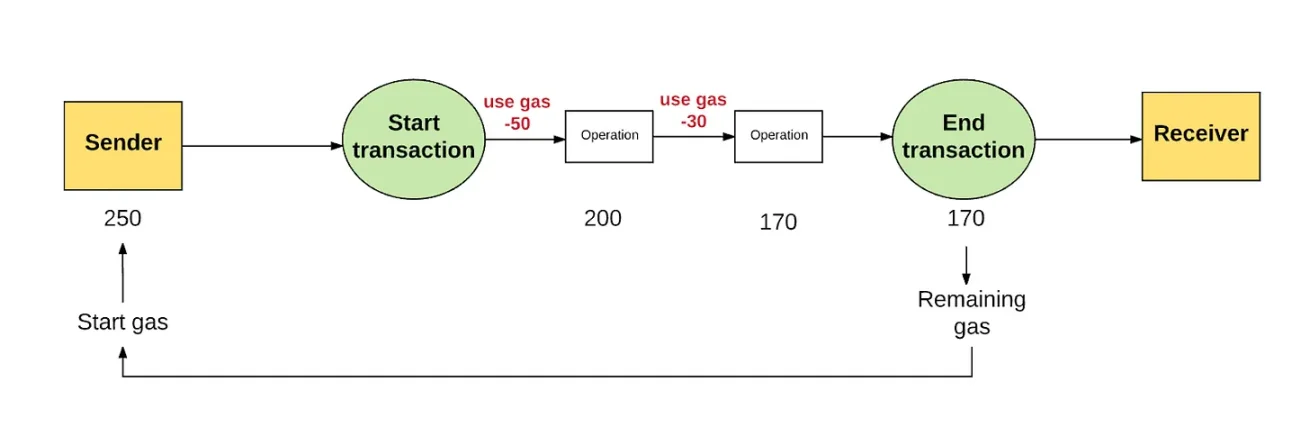
Researcher calls this a "glass bank account" problem. The problem was not that the transaction was visible, but that all acts were automatically tied to an almost unchanged address。
IN THE EARLY YEARS OF ENCRYPTED WORLD, THIS WILL ONLY EXPOSE BASIC TRANSFER RECORDS. BUT THEN THE BLOCK CHAIN BECAME THE LENDING MARKET, THE NFT PLATFORM, THE GOVERNANCE SYSTEM, THE PAYMENT AND THE IDENTITY LAYER. TODAY AN ADDRESS CAN REVEAL MUCH MORE INFORMATION THAN IT DID A FEW YEARS AGO。
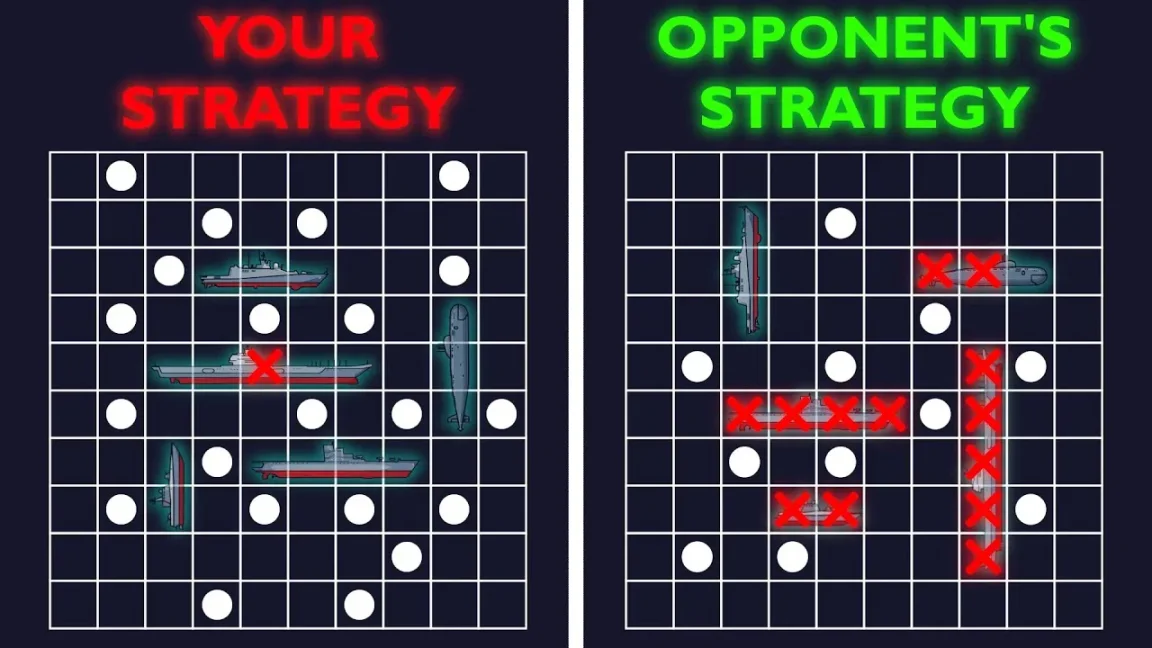
There's a common analogy in privacy studies: imagine you playing the chess game on a block chain, and it's all public. The rules will be correctly implemented and the system will record everything faithfully. But when both sides see each other's chess positions, the strategy disappears。
The system is fully designed, but the experience has changed completely, as transparency eliminates privacy。
Financial collaboration is the same. Not every receipt requires the entire history of an address。
ERC – 5564 DOES NOT ATTEMPT TO ELIMINATE THE TRANSPARENCY OF THE ETHER HOUSE, NOR DOES IT INTRODUCE COMPLEX DESIGNS SUCH AS BALANCE ENCRYPTION, PRIVACY POOLS. IT FOCUSES ONLY ON ONE NARROWER AND MORE PRACTICAL ISSUE: REDUCING AUTOMATIC RELEVANCE AT THE COLLECTION LEVEL。
The core logic is very simple, and you don't give each other your wallet address, you give them a secret meta address. This meta address is not a collection target and contains public key password information and generates a unique temporary collection address for you。
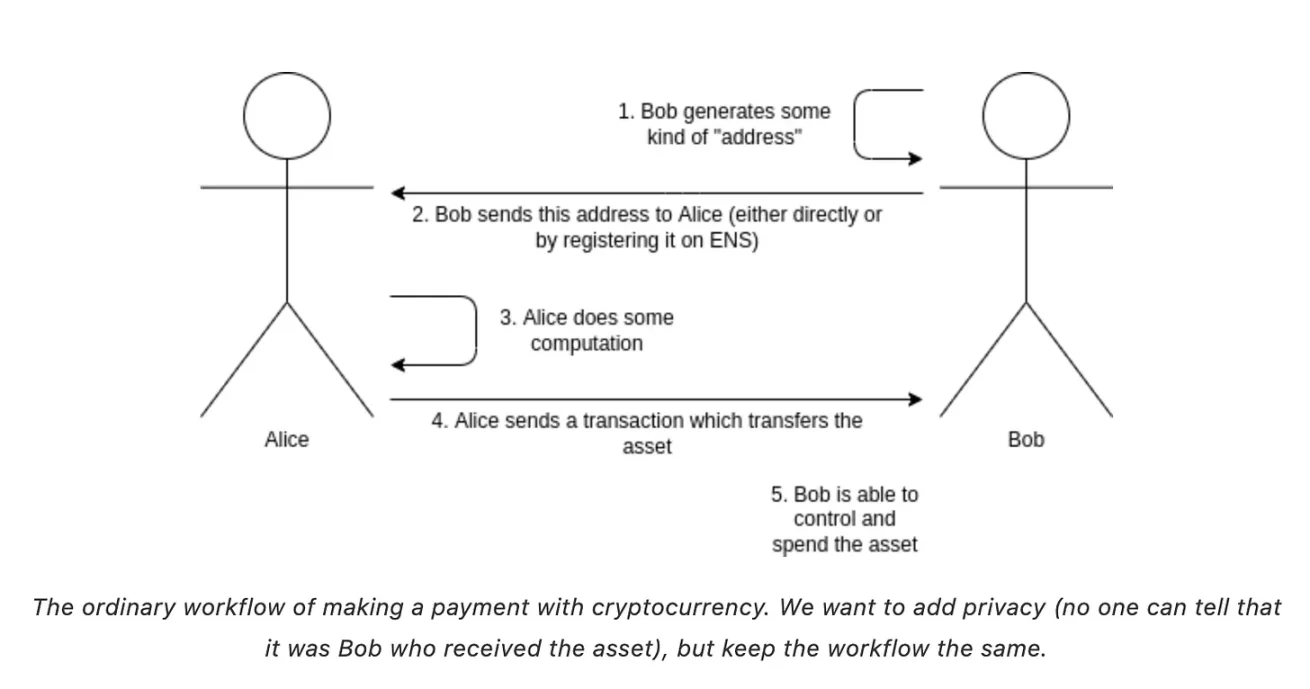
In other words, when the other party pays you, the money is not sent to your public main purse, but to a new address created only for this transaction. Looking on the chain, it's like transferring a new account that has never been used。
Everything is normal for the network. The change is that each collection is sent to a different address and will not be kept on a permanent account。
Do you really need it
Look at the behavior of the user。
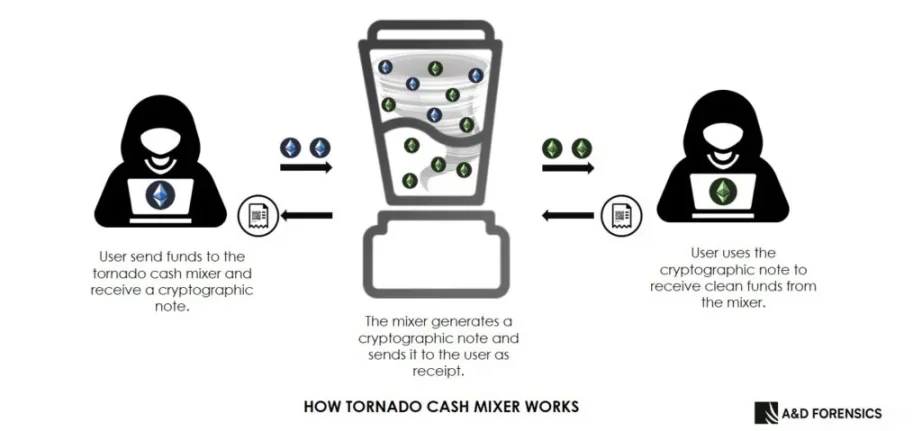
In the case of Tornado Cash, a mixed-currency agreement allows users to deposit funds in a public pool and then transfer them to a new address, cutting off the connection. Even under sanctions and severe scrutiny, Tornado Cash managed more than $2.5 billion in financial flows in 2025. This indicates the willingness of users to take legal and reputational risks and to separate transactions from the main purse。
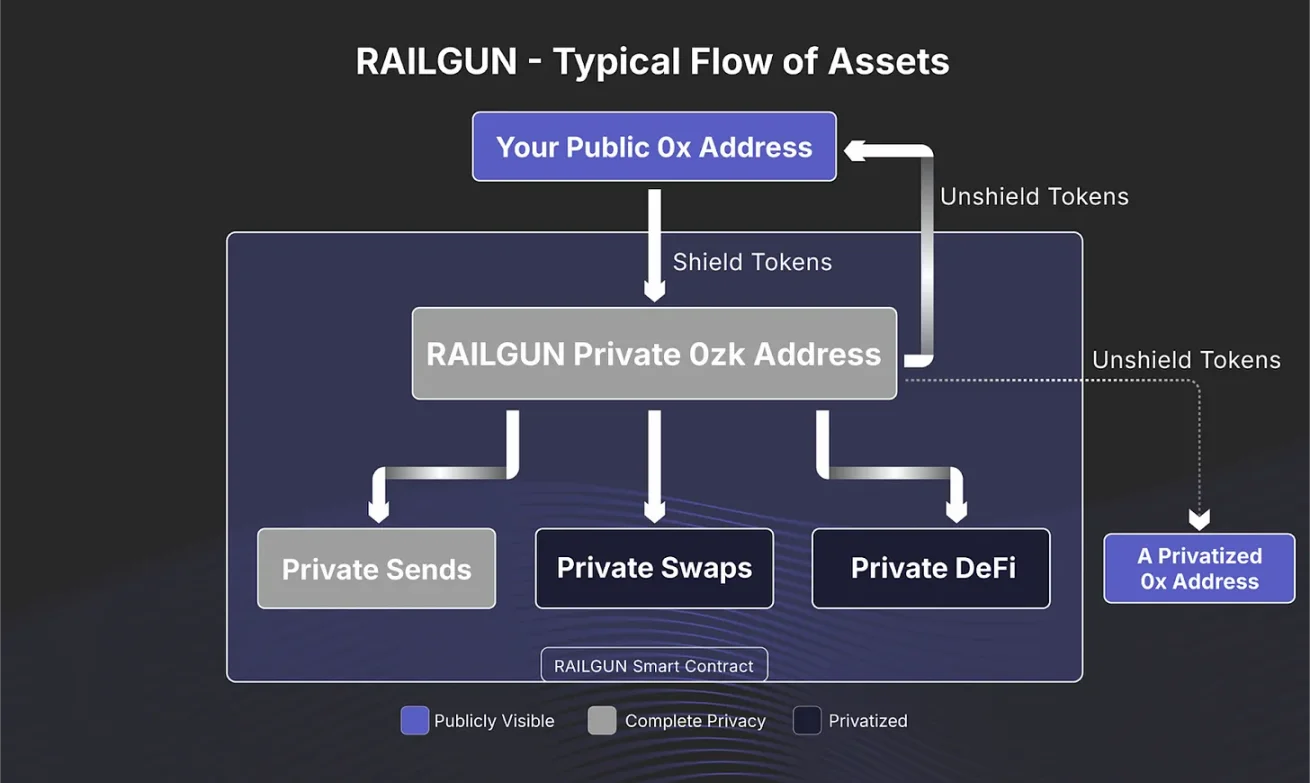
See also Railgun: It uses zero knowledge to prove that private transactions are made and that the details of the balances and transfers are not disclosed. In 2025, the Railgun lockout stabilized at $70 million, with cumulative transactions exceeding $2 billion。
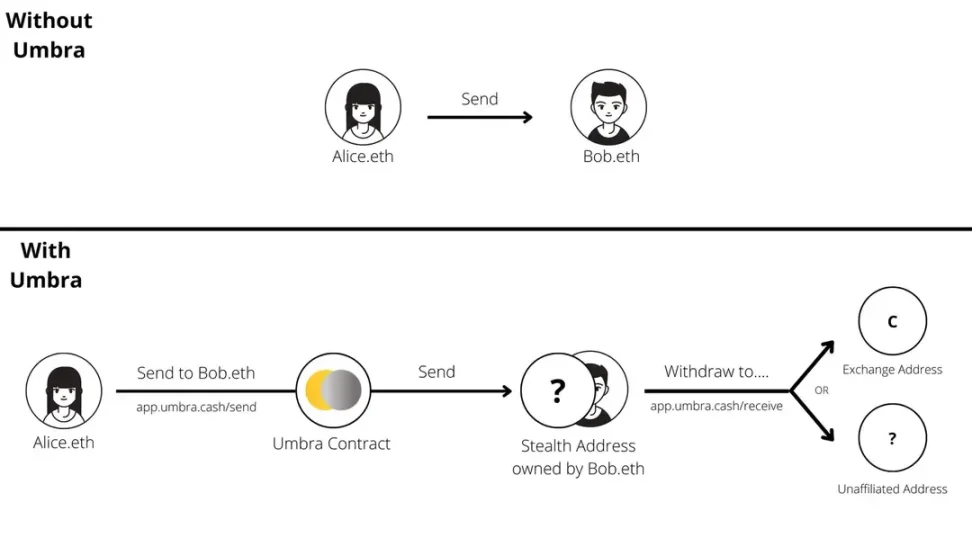
In the case of hidden receipts, Umbra achieved an application layer secret payment on the Ether Workshop: users publish secret information and collect at a one-off address. By 2026, Umbra had generated over 77,000 active secret addresses。
These figures are not large relative to the entire market, but they are enough to show that users are strongly in need of a sense of isolation。
At the same time, these instruments have been compromised:
- The commingled currency requires access to independent contracts, increased friction, impairment of composition, and placement in a regulatory grey area
- ZK PRIVACY TOOLS REMAIN AN ADDITIONAL LAYER AND USERS MUST CHOOSE TO USE THEM
- Umbra proved the use of hidden collections, but it was a stand-alone application, not a wallet standard
At the Ether Workshop, access to privacy will always require a further step。
ERC – 5564 TAKES ANOTHER ROUTE: INSTEAD OF MAKING NEW PRIVACY PROTOCOLS, IT STANDARDIZES HIDDEN COLLECTIONS ON THE WALLET FLOOR。
What is the position of Ether in the sphere of privacy
The privacy of the encrypted world is not black or white, but a weighing spectrum。
At the end of the spectrum is an agreement like Menroco, which embeds privacy directly into the bottom. The amount of the transaction is hidden and the addresses of the sender and the recipient are also blurred. Privacy is not optional but is enforced by design. Users do not need to opt for privacy protection because confidentiality is the default status of the network。
In addition, there is Zcash, which introduced a block trade using zero-knowledge proof. Zcash allows users to choose between transparent and private transactions, but it operates in a dedicated shield rather than in the system as a whole. The architecture supports confidentiality, but it remains a stand-alone model rather than a basic act of the network。
The Ether Workshop is completely different and gives priority to transparency and portability from day one。
It's the kind of openness that allows DeFi, NFT, DAO to explode. The costs are structural, and privacy and ecology can only be built outside agreements。
ERC – 5564 MARKS A SHIFT IN THINKING: INSTEAD OF PUTTING THE PRIVACY LAYER ON THE OUTSIDE, PRIVACY IS USED AS A BASIC COMPONENT, EMBEDDED IN THE EXISTING DESIGN OF THE EN, ESPECIALLY IN THE COLLECTION LAYER。
If Menroco considers privacy as the basis, while Zcash views privacy as an optional model, ERC-5564 transforms privacy into an infrastructure within the wallet standard rather than relying on an independent chain or application。
Industry narratives are also evolving: the debate is no longer " whether the public chain should be completely transparent or completely private " , but rather: where privacy should be, how much it takes, how it coexists with verifiable, composing。
What does privacy bring to users and markets
Privacy goes beyond hiding transactions and fundamentally changes incentives and power distribution in the financial system. In this sense, privacy unlocks three core elements, one by one。
All operations are visible on transparent block chains. That seems irrelevant, but it is not。
WHEN ALL TRANSACTION DATA ARE MADE PUBLIC, THE LARGEST BENEFICIARIES ARE NOT ORDINARY USERS, BUT PARTICIPANTS WITH THE BEST DATA ANALYSIS TOOLS, SUCH AS HEDGE FUNDS, MEV ROBOTS, ANALYSIS FIRMS AND ARTIFICIAL INTELLIGENCE MODELS. THE BEHAVIOUR OF ORDINARY USERS IS MADE PUBLIC, AND THESE SEASONED PARTICIPANTS OBSERVE, MODEL AND EXTRACT VALUE FROM THEM。
This creates structural asymmetries。
The problem is not that of transparency per se, but that it transforms every economic act into a public signal, leading to strategies developed around these signals and using them for profit。
When transactions are not easy to abuse, competition between participants is no longer about more sophisticated monitoring tools than about who has them, but about prices and risks. This leads to healthier and fairer market behaviour. This is the first step in privacy: it limits the taking of value simply because the transaction is visible。
The second unlocking mechanism is even more significant. Privacy promotes capital formation, while transparent systems do not。
The diaspora may tolerate full transparency, but institutional users will never。
If each warehouse is monitored in real time, the Fund will not be able to invest effective funds in DeFi. If the Fund holds certain assets, the market may be detrimental to it; if the Fund hedges, competitors can track them. Strategic protection will become impossible. The same applies to enterprises. If supplier relationships are visible to competitors, companies cannot monetize invoices in public books; and if remuneration structures are transparent, companies cannot pay salaries in chains. Transparent systems favour experimentation but do not favour autonomous decision-making。
This confirms the statement that "the token is easy to cross the chain, the key is difficult to cross."。
On the public chain, since all information is publicly available, it is very simple to move assets between networks. In the private system, as soon as it leaves the private domain, historical transactions are exposed, which can cause friction. Privacy-sensitive users prefer to remain in an environment where transaction records are not leaked upon exit。
This can create a new type of network effect。
Traditional block chains compete in terms of throughput, costs and developers ' tools. Privacy introduces competition in information segregation. The greater the private anonymity, the higher the value of remaining. Liquidity has also begun to focus on the region, as confidentiality increases with scale。
The third type of unlocking can be called selective disclosure。
In today ' s system, the choice of privacy is very dual: either it is all open or it is all hidden. But passwords introduce a third option: you can prove something without disclosing bottom data。
The agreement may prove its solvency without disclosing all the positions held. Exchanges may prove their reserves without disclosing account balances. Users can prove their compliance with certain rules without disclosing all their transaction records。
This reduces the occurrence of systematic data honey cans. At the same time, the trade-off between privacy and regulation has been reduced, opening the door to entirely new areas of financial application。
For example, private lending markets can enforce collateral rules and clearing logic while hiding the identity of individual borrowers, and platforms such as Aleo and Secret Network are experimenting with this through confidential DeFi designs。
The chain can match transactions without showing the size or direction of the order before execution, which is precisely the encryption trading infrastructure that Renegade is building to prevent traders from being ahead of the transaction simply because their intentions are visible。
A stable currency for compliance could provide access to regulatory bodies under due process of law, while preventing the public from understanding the behaviour of users through transaction maps. Private stabilization currency projects such as Paxos and Aleo and Zcash's first selective disclosure model through viewing keys are exploring this idea。
The trade finance platform can monetize invoices and prove, without disclosing the supplier relationship, that the invoices have not been used to duplicate financing. Business networks such as Canton Network are working with large financial institutions to pilot such a confidential infrastructure that enables businesses to share account efficiency without disclosing sensitive business data。
All of this can lead to long-term behavioural effects。
The transparency system permanently links identity and financial conduct. Over time, this reduces their willingness to try new things, as behaviour cannot be delinked from long-term identity. Privacy restores the separation between participation and permanent exposure. It allows users to act without recording each decision in an unalterable public file。
Concluding remarks
TRANSPARENCY WAS ORIGINALLY INTENDED TO BE VERIFIABLE. INHERENT PRIVACY ENCRYPTION SUPPORTS INSTITUTIONAL CAPITAL AND SELECTIVE DISCLOSURE WHILE PRESERVING PROBABILITIES. THE ERC – 5564 IS NOT INTENDED TO BE A CHAIN OF PRIVACY, BUT RATHER TO GIVE IT PROGRAMMABLE, LIGHT-QUANTITATIVE, ORIGINAL COLLECTION PRIVACY。
