
On the 55th day of the war, both sides were trapped
The name of the ceasefire, the truth of the blockade
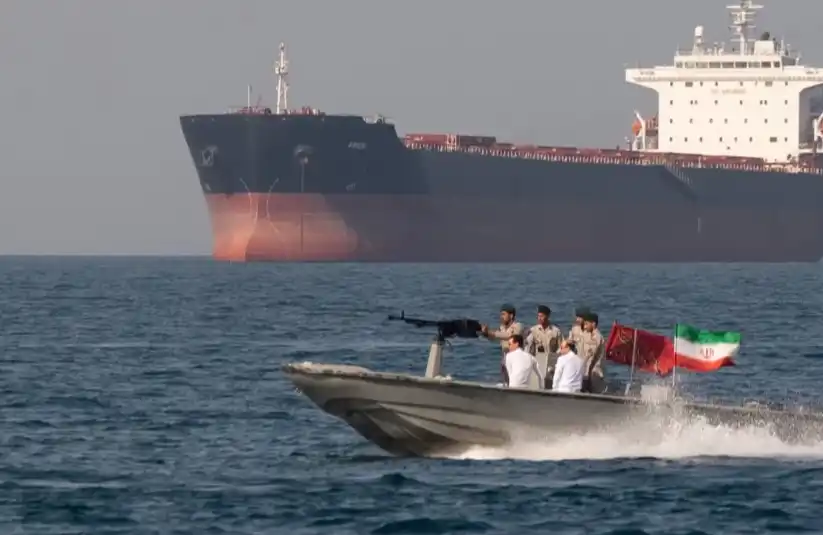
This war is now 55 days。
On 22 April, Trump announced an indefinite extension of the ceasefire at the Truth Social. He did not give a deadline and said that he would wait for Iran to come up with a unified proposal。
It sounds like a concession. It's actually pressured to change one. The blockade continued, the demining vessels continued to operate, and Vance's flight to Islamabad was quietly cancelled after Iran refused to attend. The ceasefire was extended, but nothing stopped on the battlefield。
The next day, Trump sent another one at the Truth Social. He said that he had ordered the United States Navy to “kill” any vessel that had planted mines in the Strait of Hormuz, “without hesitation”, and had ordered mine clearance operations “to triple”. The same morning, he wrote in another post: "No ship can enter or leave without permission from the United States Navy. It has been tightly sealed until an agreement can be reached in Iran”
The ceasefire coexisted with the "kill order" in the same morning and contradicted each other, which was the way Trump was negotiating, giving it steps and putting it higher。
The ceasefire agreement has not been smooth。
On 11 April, the first round of the Islamabad talks, led by Vance, Special Envoys Steve Witkov and Jared Kouchner, was held without success. Following the breakdown of the negotiations, the United States began seizing Iranian-associated vessels. Iran subsequently seized foreign merchant ships in the Strait as a countermeasure。
The United States subsequently imposed a naval blockade effective 13 April on all vessels entering and leaving Iranian ports, citing Iran ' s failure to reopen the Strait of Hormuz. Iran immediately announced the reopening of the Strait。
By the time of the new round of negotiations on 21 April, the differences between the parties had not narrowed。
However, it can be seen that the Strait is the most immediate point of pressure in the current situation。
CENTCOM ANNOUNCED ON 23 APRIL THAT THE BLOCKADE, WHICH INVOLVED MORE THAN 10,000 UNITED STATES SOLDIERS, 17 WARSHIPS AND MORE THAN 100 AIRCRAFT, HAD ORDERED 31 SHIPS (MOSTLY TANKERS) TO TURN AROUND OR RETURN TO PORT. BRENT CRUDE OIL PRICES ROSE BY 4 PER CENT A DAY AFTER IRAN ANNOUNCED ITS REFUSAL TO REOPEN THE STRAIT, APPROACHING $100 PER BARREL。
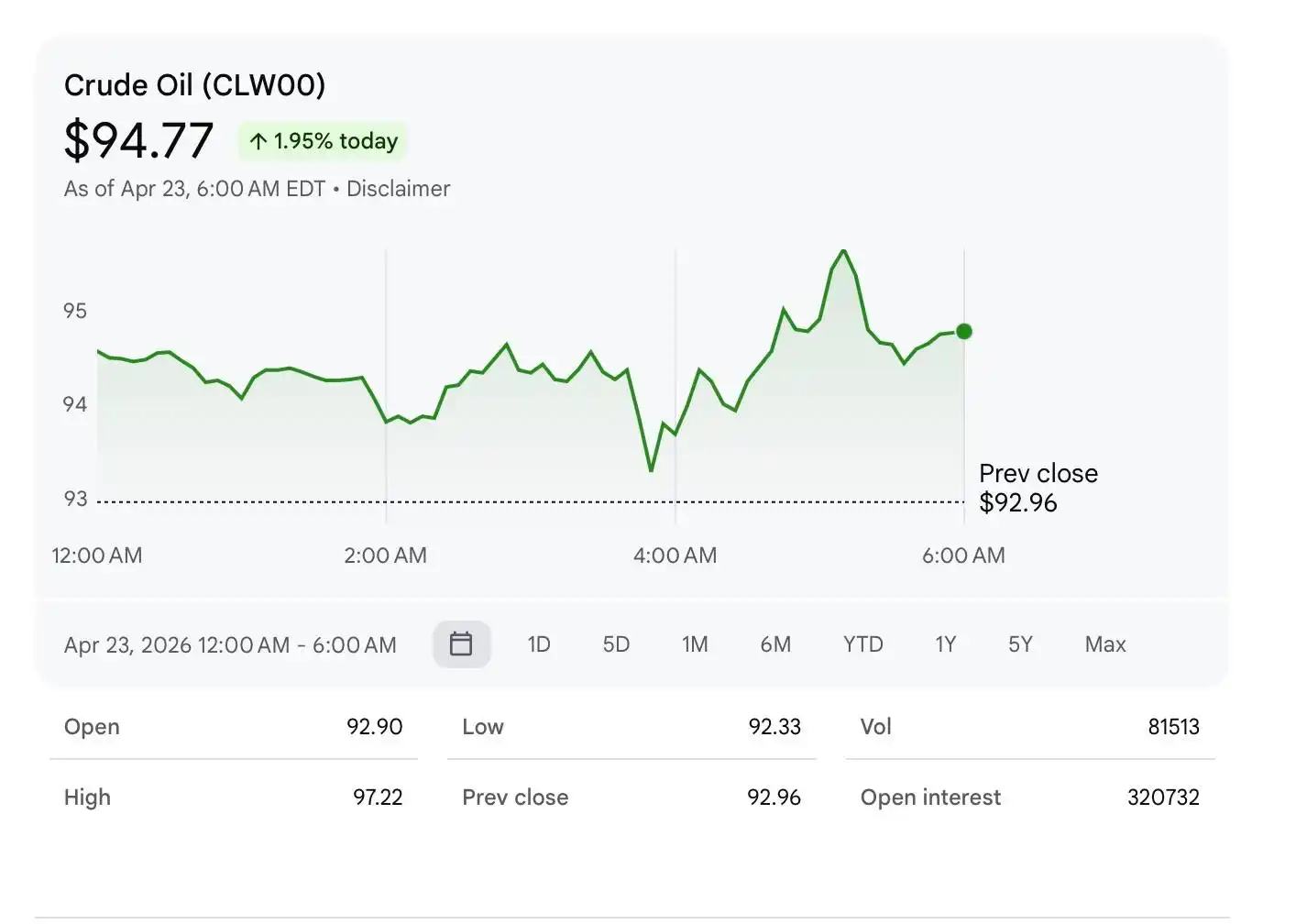
Iran's response is not just military, but financial. The Deputy Speaker of Iran, Haji Babay, announced that Iran had begun to levy a "Holmuz transit fee" on passing ships, and that the first revenues had been deposited with the Central Bank。
This is no small matter, as it means that Iran has in fact transformed the jurisdiction of the Strait into a right to collect fees and has sought to entrench the claim by fait accompli. The United States blockades Iranian ports and Iran controls the passage of the strait. Both sides are claiming control of the waterway, but none of them is in a position to make their claims disappear。
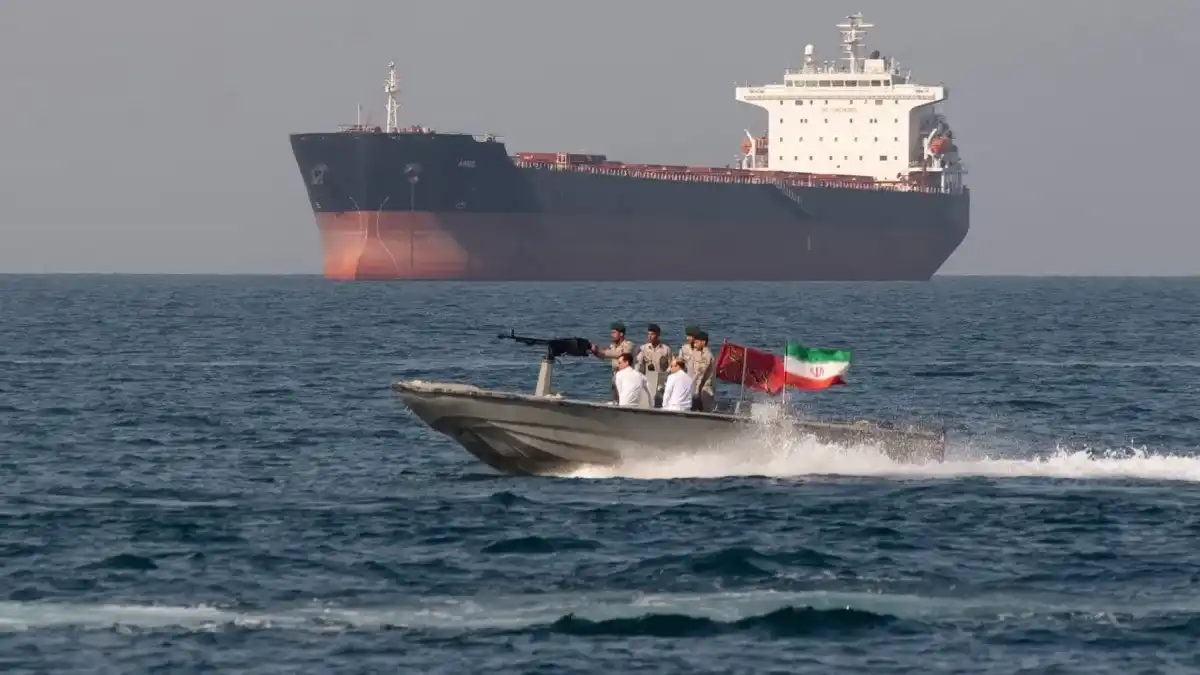
At the same time, the United States forces intercepted another oil tanker, “Majestic X”, which allegedly smuggled Iranian oil in the Indian Ocean and extended such operations to the Indo-Pacific direction, a geographical expansion of the blockade。
The statement by the Iranian side was marked by unity following the extension of the ceasefire。
President Pizehiziyan, Speaker and Chief Negotiator Jalibaf, and the head of the judiciary, Mohsenyi Ezej, made a joint statement refuting Trump's claim that there is a “moderate-hardline” division within Iran. This joint statement is in itself an information war: Trump deliberately portrays Iran’s civil unrest, while Iran tries to present a single image of the iron table and convinces the outside world that any divisive strategy will not work。
Iran's Foreign Minister Alagosi's position is clear: the blockade of Iranian ports is an “act of war” and negotiations cannot really begin as long as the blockade is not lifted. The spokesman for the Ministry of Foreign Affairs, Baghei, explained Iran's silence, saying that Iran was hesitant not because of internal chaos, but because “Washington sent conflicting signals”。
That interpretation is justified. On the same day, Trump could declare an extension of the ceasefire or order the shooting. One day he said, "We'll make a good deal," and the next day he said, "Iran has no choice but to talk." For Iran, judging the real intentions of the other side is in itself a difficult task。
There is no peace in Washington。
Shortly after the ceasefire was extended, Defence Minister Högsès dismissed the Minister of the Navy, John Fieran, the 34th senior official to be replaced by the Trump Government, reportedly as a result of personnel and management friction between Frank and Högsès. The Navy is carrying out the most critical blockade of the war, and the civilian leadership in charge of the Navy has been replaced at this node and the timing is interesting。
At the same time, the Senate rejected by 55 votes to 46 a resolution restricting the President ' s authority to use force against Iraq, the fifth attempt and the fifth failure of Congress. Notably, Republican Senator Land Paul voted in favour of the resolution, while Democrat Senator John Feltman stood side by side with the majority of Republicans. The line between the parties is no longer intact on the issue of war。
In addition, Congress has received a confidential briefing from the Pentagon that the removal of mines from the Strait of Hormuz may take up to six months. This means that oil prices may remain high throughout the summer, burning until autumn, and November is the mid-term election. Trump said the war was "no time frame", but the market and the vote were there。
At present, the conflict is in a strange state of static: neither side has a comprehensive truce, nor has there been a resumption of large-scale bombing; neither side claims to be willing to negotiate, but the preconditions for negotiations are precisely the one most unlikely to be accepted by the other。
The logic of the United States is that the blockade is under pressure, which compels Iran to compromise and leads to negotiations. Iran ' s logic is that the blockade itself is a breach, that negotiations in a state of non-compliance amount to a denial, and that negotiations must await the lifting of the blockade。
We'll keep an eye on it。
