
A Harvard Chinese made $2.9 trillion. Wall Street joined forces to sue him
America doesn't have the money
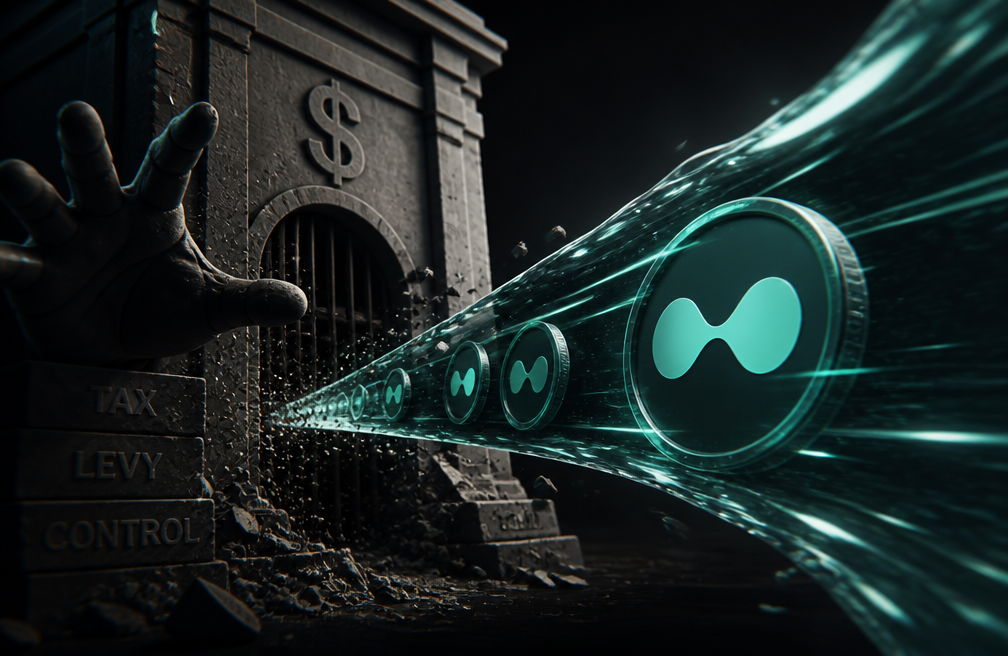
When you hit a new stock, at least four companies in the middle share money with you: the voucher, the underwriter, the trustee, the trading platform。
THEY HAVE TO DRAW A SUM EACH. OF COURSE, IT'S THE RULES COMMON TO A, U.S. AND HONG KONG, CHINA, WHICH HAVEN'T CHANGED FOR OVER A CENTURY。
On May 13, 2026, two 100-year trading platforms in Chicago and New York suddenly found that a trading website bypassed all these water points。
It is registered in Singapore, founded by a Harvard graduate young Chinese with only 11 employees serving global users. A few days later, two hundred-year trading platforms in Chicago and New York came together to look for United States supervision and asked to shut the site down。
That night, four top investment houses, as main vendors, priced the IPO for the AI chip company Cerebras at $185 per share。
Cerebras' rival, the largest technology unit to date, IPO, raised $5.5 billion in 2026, and the largest in the United States since Uber hit the bell in 2019。
THE UNDERWRITING FEES WERE CHARGED AT 4 TO 7 PER CENT OF THE TOTAL IPO, AND ABOUT $220 MILLION TO $380 MILLION IN COMMISSIONS WERE DISTRIBUTED THAT NIGHT BY THE FOUR INVESTMENT BANKS。
The money entered their United States accounts, paid United States corporate income tax, paid United States employee bonuses and paid United States personal income tax. Each link is the United States Treasury's collection point。
At the same time, on a web site called Hyperliquid, the Pre-IPO contract of Cerebras is being traded. The contract code is $CBRS, 1 May。
Pre-IPO's contract for eternity is that a company is not on the market, but you can now place a tab on its future stock price online. Hyperliquid is the procedure for providing this type of sub-service。
On 13 May, the contract offer was $291, 57 per cent higher than the $185 agreed by the four investment banks. 24 hours trading volume of $230 million。
Hyperliquid drew approximately 0.025 per cent of the lump sum, equivalent to $575 million。
The money enters a chain account, is not subject to United States corporate income tax and is not subject to any Wall Street intermediary。
Of course, $5.75 million is just a fraction of the hundreds of millions of dollars divided by the four investment banks on Wall Street that night。
But it turns into news because it points to a future that makes the US Treasury uncomfortable: any asset in the world can be traded 24 hours a day, and the US can't collect a penny tax。
Two days later, on the afternoon of May 15, 2026, Bloomberg's exclusive came。
The Chicago Commodity Exchange, CME, and the New York House parent company, ICE, jointly approached the CFTC and Congressmen to demand that Hyperliquid be subject to United States supervision, mandatory physical certification and mandatory trading controls。
The reasons given are "market manipulation" and "sanctions circumvention"。
The word compliance is not the same as "legitimate" in the US financial system. More often, it means whether the United States can reap the corresponding benefits。
Hyperliquid did not violate United States law, but it did not pay taxes to the United States。
This may be the reason CME and ICE put Hyperliquid on CFTC。
Hyperliquid bypassed tax collection
THE FIRST THING THAT MADE CME AND ICE FEEL UNCOMFORTABLE HAPPENED THAT WEEKEND ON FEBRUARY 28TH, 2026。
THAT DAY, THE UNITED STATES AND ISRAEL LAUNCHED A JOINT AIR STRIKE AGAINST IRAN. IRAN IS THE FOURTH LARGEST OIL PRODUCER OF OPEC, AND THE STRAIT OF HORMUZ CARRIES ONE THIRD OF THE WORLD ' S CRUDE OIL BY SEA。
BUT THAT WAS A SATURDAY, CHICAGO CME CLOSED, LONDON ICE CLOSED, SINGAPORE SSGX CLOSED. FROM FRIDAY AFTERNOON TO SUNDAY EVENING, NEW YORK TIME, WORLD OIL PRICES WERE FROZEN。
A week before the war, the daily turnover of the Hyperliquid WTI contract for the renewal of crude oil was about $21 million. And that weekend after the war, the daily trade on the same contract went up to $1.7 billion, almost 250 times。
On 20 March, JP Morgan issued a research paper by the top analyst Nikolaos Panigirtzoglou. He wrote about global financial flows, with the world's largest hedge funds, sovereign funds and central banks on the table。
In that study, he used a very restraining phrase:
"CME TRADERS CAN'T REACT."
This sentence means that a trade in oil prices that should have been made in CME, that would have been liquidated, that would have generated commissions, that would have been part of US GDP, was made in Hyperliquid, and that nothing remained in the United States。
Early in May, the Chairman of the CTC, Michael Selig, publicly stated at a trade meeting that a chain-based platform such as Hyperliquid might begin to affect the spot or future prices of the registered platform。
On the afternoon of May 14, Cerebras ring the bell and open the plate for $350. The next day, on the afternoon of May 15th, Bloomberg was exclusive。
Online from HIP-3, to JP Morgan, to Cerebras, to that Bloomberg exclusive, 214 days. For over a hundred years, the moat was torn apart by a code for seven months。
So to understand why American regulation is so concerned about an 11-person company, it's up to Hyperliquid to see how the entire tax collection system is bypassed。
Hyperliquid went online in 2023, co-founder Jeff Yan, Palo Alto grew up, a Chinese immigrant family with an accounting single parent。
In 2012, representing the United States team in the International Physics Osei silver medal, second year gold medal, Harvard Awards. After graduation to Hudson River Trading (the top global quantitative trading firm), he later opened a market company in Puerto Rico called Chameleon Trading。
AFTER THE FALL OF THE FTX IN 2022, HE AND AN ANONYMOUS HARVARD STUDENT STARTED WRITING A WHOLE CHAIN, 24 HOURS OFF, NO COMPANY, ONLY PROGRAM PLATFORM. AND THEN THEY MADE AN ANTI-SILICA VALLEY DECISION NOT TO MELT VC。
Yan publicly rejected the multi-billion dollar VC offer. His reasons are:
"IF WE WANT TO CREATE A TRULY NEUTRAL PLATFORM ON WHICH EVERYONE CAN BUILD, THERE CAN BE NO INSIDERS. VC TAKES A LOT OF TOKENS AND IT'S GONNA BE A SCAR ON THE NETWORK
He started the whole project with the money he earned from his own trading company. The team size is always between 10 and 14 people. In November 2024, Hyperliquid introduced the token HYPE, 31% of which went directly to early users, one of the largest users in encryption history, with no money left for VC。
By the end of 2025, the 11 individual programs accounted for 70 per cent of the market share of the chain lasting contracts, with $2.9 trillion in annual turnover in 2025, exceeding Coinbase International, Cripto.com, HTX combined。
The terminus contract is a derivative invented by the encryption ring, which is roughly equivalent to "a future that will not expire". Traditional futures have a delivery date, and the maturity must be settled. There's no date for the renewal of the contract, and you'll be ready for short-term price fluctuations. Hyperliquid is the largest platform for such contracts。
BUT FOR TRADITIONAL FINANCE, THESE ARE STILL THE INTERIOR OF THE ENCRYPTION CIRCLE. CME ONCE IN A WHILE, ICE DOESN'T EVEN LOOK。
Until October 13, 2025, Hyperliquid went online for an upgrade called HIP-3。
The HIP-3 rule is that any person who pledges approximately $25 million in Hyperliquid tokens as a deposit can open a new market on this procedure and trade anything. U.S. stock, bonds, foreign exchange, bulk commodities, and even unlisted private corporations。
This moves away from "requiring regulatory approval" to "paying."。
A few months after the HIP-3 went online, there were more than 250 permanent contracts in the chain, Tesla, Yvette, Apple. Permanent contracts that synthesize the OpenAI valuation, synthesize the SpaceX valuation are back on line. Hyperliquid received a chain of 500 official contracts, followed by Cerebras Pre-IPO。
WTI'S CONTRACT GUARANTEE IS USDC, MOORED AT US$ 1 TO 1 STABILIZER, AND IT HAS NOTHING TO DO WITH ENCRYPTED TOKENS. HERE COMES THE HEDGE FUND TRADERS WHO GAMBLE ON OIL PRICES。
By early 2026, the market on HIP-3 had contributed 30 per cent of the daily trade in Hyperliquid, of which hydrocarbons and precious metals accounted for 67 per cent。
The system goes far beyond compliance. It bypasses the entire United States financial infrastructure。
CME's dominance has nothing to do with its alignment speed. Combine speed on CME far from Hyperliquid。
CME DEPENDS ON ITS IDENTITY. REGISTERED ENTITIES IN THE UNITED STATES REPORT TO SEC AND CFTC, PAY TAXES TO IRS AND PAY LIQUIDATION FEES TO THE UNITED STATES TREASURY. IT IS PART OF THE SOVEREIGN FINANCIAL SYSTEM OF THE UNITED STATES。
Hyperliquid can do today's scale, not by technology. Technically Binance, Coinbase, CME do something similar。
Hyperliquid is unique in terms of chain settlements, services to users worldwide, and its profits are completely out of the United States system。
But this tearing-out moat has little to do with technology and much to do with tax rights。
WHAT DOES CME AND ICE CARE ABOUT
TO UNDERSTAND WHY CME AND ICE ARE SO NERVOUS, LOOK AT TWO NAMES FIRST。
CME IS THE PLATFORM BEHIND THE NEWS WHEN YOU HEAR OIL PRICES, CORN, GOLD FUTURES GO UP AND DOWN, CHICAGO, 178 YEARS OLD, THE WORLD'S LARGEST DERIVATIVES。
ICE IS ANOTHER 100-YEAR-OLD HOUSE WITH NEW YORK STOCK EXCHANGE PLATFORM (NYSE), LONDON BRENT CRUDE OIL FUTURES, ALMOST MONOPOLIZED IN SOYBEANS, COTTON AND COFFEE FUTURES IN THE UNITED STATES。
Together, they are basically the “pricing power representatives” of the traditional financial infrastructure of the United States。
We have come to their complaints against Hyperliquid for three reasons: the manipulation of oil prices, the use of it by sanctioned countries to circumvent sanctions, and insider trading. Sounds right。
But the next few facts show the true purpose of the complaint。
ON FEBRUARY 19, 2026, THE CME ANNOUNCED THREE MONTHS BEFORE THE RELEASE OF THE STORY " CME, ICE, NEW POWER FOR US REGULATION OF OIL TRADING IN HARNESSING ENCRYPTION " , THAT ITS FUTURES AND OPTIONS WOULD BE TRADED 24 HOURS A WEEK FROM MAY 29TH。
On May 14, the day Cérebras struck the bell, and the day before Bloomberg reported, CME announced that it would launch an encrypted index future with NASDAQ on June 8。
THE CME, WHILE ACCUSING OTHERS OF "A FULL DAY'S NON-COMPLIANCE", IS ABOUT TO START TRADING ALL DAY. WHILE SAYING "MARKETS DISTORT PRICES ON THE CHAIN", THEY ARE DOING THEIR OWN MONETIZATION AND THINKING ABOUT ISSUING。
ICE OVER THERE IS THE SAME STORY。
IN OCTOBER 2025, ICE ANNOUNCED AN INVESTMENT FORECAST MARKET OF $2 BILLION, VALUED AT $9 BILLION. BY MARCH 2026, ICE ' S CUMULATIVE INVESTMENTS IN THE FORECAST MARKET AMOUNTED TO US$ 16.40 BILLION。
In the market, users can be told above which results of future events, such as which candidate is elected and which stock will rise。
It's like Hyperliquid bypassing the full-scale regulation of the CFTC, and like Hyperliquid, it's what the industry calls "the chain savages."。
ICE, HOWEVER, HOLDS A PROJECTED MARKET SHARE OF US$ 16.40 BILLION, WHICH MEANS THAT A LARGE PORTION OF THE FUTURE REVENUE OF THE PLATFORM WILL FLOW BACK INTO THE UNITED STATES IN THE FORM OF ICE DIVIDENDS, INTO THE UNITED STATES TAX SYSTEM。
IN MARCH 2026, ICE ALSO INVESTED IN OKX, ONE OF THE LARGEST ENCRYPTION TRADING PLATFORMS IN THE WORLD, VALUED AT 25 BILLION. IN JANUARY 2026, ICE ANNOUNCED ITS OWN CHAIN-BUILDING SECURITIES INFRASTRUCTURE. THE NYU IS DEVELOPING A 24-YEAR-OLD MONETIZED SECURITIES PLATFORM。
Encryption analyst ZachXBT questions on X can be translated into one sentence:
"ICE, while placing $1.6 billion in the forecast market, lobbies regulation Hyperliquid, why not worry about the forecast market together?"
PUT THESE THINGS TOGETHER, CME AND ICE ARE NOT AGAINST CENTRALIZATION, NOT 24 HOURS, NOT CHAIN。
They oppose the chain of transactions where they do not have equity, where they cannot draw on intermediary fees and where the United States Treasury does not collect taxes。
THE FORECAST MARKET HAS ICE THIS AMERICAN SHAREHOLDER AS AN INTERMEDIARY, COMPLIANCE. OKX HAS ICE INVESTMENTS, MOVING TOWARDS COMPLIANCE。
Hyperliquid has nothing, so it's not in compliance。
Compliance and non-compliance borders may not be as simple as the three reasons contained in the complaint。
$29 million is not a lawyer's fee
Hyperliquid probably knew this day would come。
On 18 February 2026, it donated $29 million to a Washington non-profit organization called Hyperliquid Policy Center. CEO is Jake Chervinsky, one of Washington's most senior encryption lawyers. The policy adviser was from Sullivan & Cromwell, one of Wall Street's oldest law firms, and worked for Rockefeller and Morgan 100 years ago。
For the fourth consecutive year, the Chief Policy Officer was ranked the top lobbyist on the most authoritative policy influence list in the Washington political community。
K STREET IS A STREET NORTH OF THE WHITE HOUSE IN WASHINGTON, WHERE AMERICA'S LARGEST LOBBY COMPANY GATHERS, AND "K STREET" IS A PROXY FOR "THE LOBBY GROUP" IN THE POLITICAL CONTEXT OF THE UNITED STATES。
Hyperliquid hired the most expensive man on the street。
Jeff Yan himself met with policymakers in Washington on the same day that the Bloomberg report came out。
The $29 million was written on the books for legal services and policy advice, but placed in the financial chain, more like a down payment for a ransom paid by Hyperliquid。
Hyperliquid is proactively turning some of his profits into forms that the United States system can draw. The lawyer's fee will be paid by the partner of Sullivan & Cromwell for United States income tax。
COMPLIANCE COSTS WOULD TRANSLATE INTO SALARIES FOR A GROUP OF CONSULTANTS AND LAWYERS IN WASHINGTON WHO WOULD ALSO PAY UNITED STATES INCOME TAX. POSSIBLE FUTURE CFTC REGISTRATION FEES WILL GO DIRECTLY INTO THE UNITED STATES TREASURY DEPARTMENT. ALSO POSSIBLE FUTURE FINES。
The position of Jake Chervinsky is written in terms of legal counsel, with the actual function being the payee. The position of Sullivan & Cromwell is written in the law firm and the actual function is channel. K Street lobbyists write about policy advisors, and the practical function is to act as intermediaries。
This is the way from "the savages" to "compliance" for every encrypted original project。
Coinbase walked this way, was sued, investigated, fined and finally listed at the NYU, became a compliance company. Binance went this way, and in 2023, the US Department of Justice, the CFTC, the Treasury Department reached a $4.3 billion settlement, the founder of Zhao Chang Peng pleaded guilty and Binance continues to operate. Kraken went over, Ripple went over。
Their common denominator is that after being punished with enough pain, they become "compliance " companies。
And the other meaning of "compliance" is that every transaction they make now goes through the United States system. Taxes are paid on commission, on employees and on shareholder earnings. The period that they passed through the eyes of the United States Treasury Department was largely over。
Hyperliquid's $29 million is just the beginning。
IF CFTC EVENTUALLY FORCED IT TO REGISTER, IT WOULD FACE TWO OPTIONS。
The first option is to accept registration and become a compliance company, losing its existing global anonymous user base and becoming another Coinbase。
The second option, denial of registration, blockade by the United States of IP, cutting off USDC access, prosecuting the founder, became another BitMEX that was tamed or eliminated (in 2020, the founder finally pleaded guilty to an encrypted trading platform prosecuted by the United States Department of Justice for non-compliance)。
There may be other possibilities between these two options, but it's hard to imagine which one would keep Hyperliquid in business. In other words, the $5.75 million co-payment could completely bypass the United States Treasury。
It may become increasingly difficult to bypass the regulatory route by code。
A sufficiently large chain would sooner or later face a choice: either find a way to profit from the United States fiscal component or bear the cost of being expelled from the United States market。



Original Link
