
GONLAC: The Fed's interest rate is no longer possible
The core basis of the judgement is derived from two dimensions: continued over-expected inflation data and clear signals from the interest rate market。
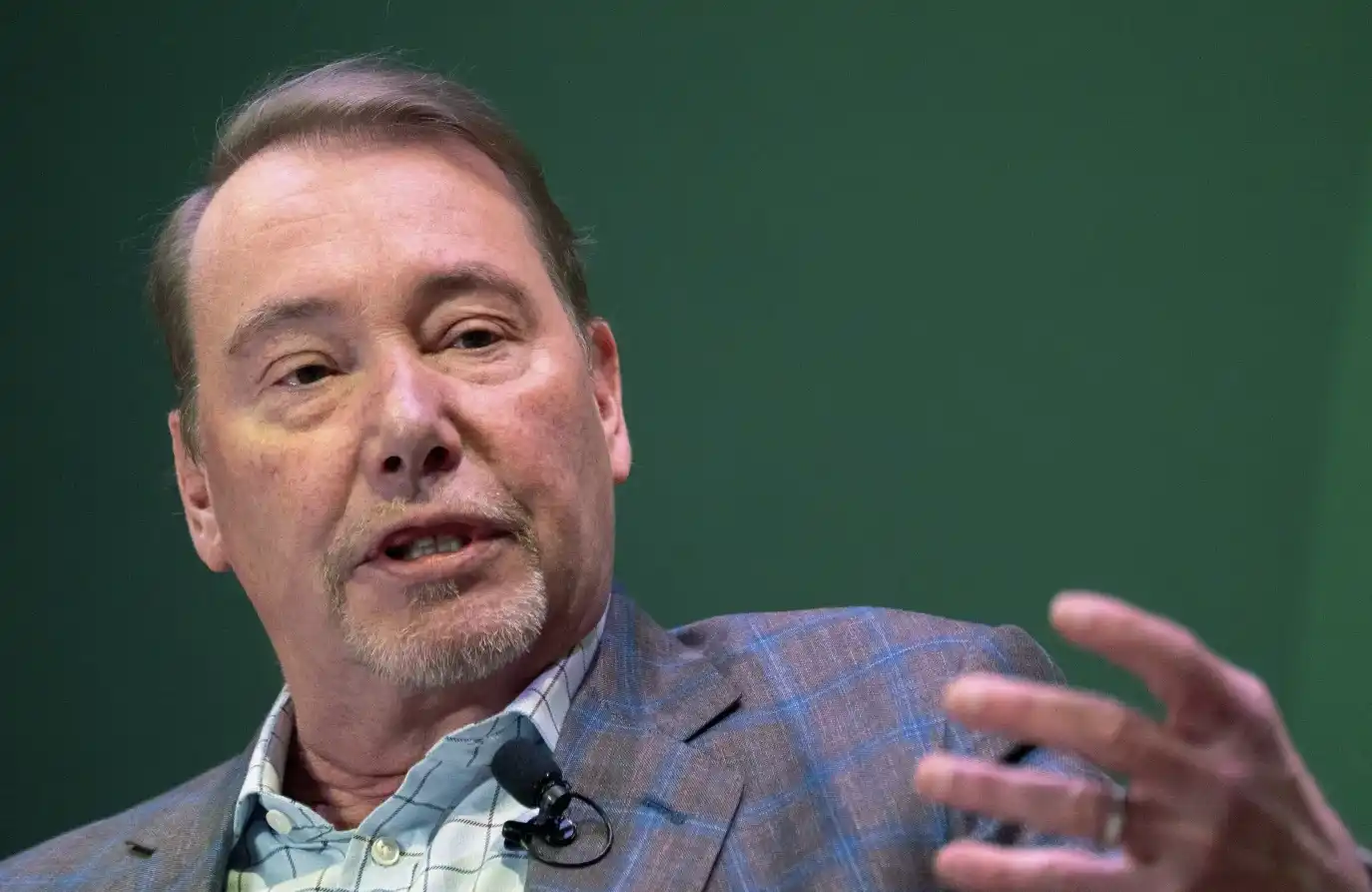
Original title: "New King of Debts: The Fed's interest rate is no longer possible"
Published by Dong Jing
Reaction: Jeffrey Gundlach (Ganglak) is known as the "New Debtlord" because he has long been at the top of the bond market and is particularly good at judging the interest rate cycle, the Fed's policy and economic implications. Following the 2008 financial crisis, the management of DoubleLine Capital, which he founded, expanded rapidly and succeeded in predicting market developments on several occasions, was considered a successor to the previous generation of Bill Gross。
The CEO of DoubleLine Capital, Jeffrey Gundlach, has made it clear that the Fed’s interest rate reduction possibilities for this year have largely disappeared, and that persistent inflation, along with interest-rate market signals, has blocked the space for monetary easing。
On 18 May, according to Bloomberg, during an interview with Fox News's Sunday futures programme, Gundlach stated that the market had previously expected two interest cuts this year, but inflation data had not been matched. He said:
I'm sorryIn a biennium when the rate of return on United States debt was nearly 50 basis points higher than the federal fund rate, it seems to me impossible to reduce interest rates。I don't know
According to Wall Street news articles, the United States jumped 3.8 per cent in April, the fastest since May 2023, and Gundlach warned that the next CPI data would be "started with 4"。
At the same time, already difficult price pressures were compounded by the war in Iran, which pushed oil prices upwards and further channelled inflation data to the United States. Gundlach also warns of multiple market hazards, such as high stock market valuations and private credit risk, and overall market risk is accumulating。
Inflation is stubborn. The interest-rate window is closed
Gundlach judged that the Fed could not reduce interest rates this year, based on two dimensions: persistent over-expected inflation data, and clear signals from the interest rate market。
April CPI increased by 3.8 per cent over the same period, the highest increase in the last two years, well above the Federal Reserve policy target of 2 per cent. According to Gundlach, the DoubleLine model shows that the next CPI data as a whole will be "started with 4 " , which means that inflationary pressures are not subdued, but rather tend to rise further。
From the point of view of the interest rate market, the return on United States debt for the biennium is currently nearly 50 basis points higher than the federal fund rate。
According to Gundlach, this spread structure itself constitutes a technical barrier to interest-rate reductions — market pricing already reflects the expectation of continued inflation, and the Fed faces a serious risk of credibility if interest rates are lowered at this time。
The oil price shock of the war in Iran is another variable that cannot be ignored. The rise in energy prices will penetrate directly into the CPI subdivisions, adding new resistance to the fall in inflation. Gundlach expects that this upward trend will continue to be reflected in inflation reporting in the coming months。
Gundlach gives a direct assessment of the situation of the new Federal Reserve Chairman, Kevin Walsh: He took over the post in a "hard time"。
When he took office, he faced a complex situation of high inflation, oil price shocks and divergences in market expectations. The Federal Reserve's policy space is subject to multiple constraints — not to ignore the precipitous fall in inflationary pressures, but to uncertainty about economic growth prospects。
According to analysts, Gundlach ' s statement implied that Walsh had little room for easing in the short term。
The speculation behind the strong stock market
The United States stock market is still "absolutely strong" despite the volatile macroeconomic environment. Gundlach has given his own interpretation of this: it is precisely because the Fed is still indifferent to inflation that the stock market continues to rise。
"When the Fed does nothing about inflation, the stock market goes wild," he says. Business profits continue to exceed expectations, further fuelling speculation in the market。
At the same time, however, Gundlach noted that the current stock market had internalized a considerable degree of risk. "Market valuations are very expensive and the atmosphere of speculation is very high," he said, and said that, although profit figures continue to exceed expectations, the situation itself is " fuelling speculation."。
On the asset allocation level, Gundlach says he has been "very much looking at bulk commodities for about three years." He noted that the interest in speculative assets such as negative returns on bonds and the partial diversion of projected markets from bitcoin made it almost impossible for investors to find attractive alternatives to equities。
In an interview, Gundlach again warned the private credit market in direct terms. When asked whether he was worried about the plate, he replied, "Of course I am worried."
He noted that there was a disturbing structural feature of the private credit market: “This market seems to always require new investors to enter the market”. In his view, this may reflect the greedy logic of the sponsors — “they simply want to manage more and more of their assets”。
Original Link
