
Where does the price of crude oil come from
The Iranian conflict led to the near closure of the Strait of Hormuz, and Brent crude oil surged to $138 per barrel. The paper provides an in-depth analysis of current oil price trends, recent forecasts by multiple institutions and how ordinary investors should look for opportunities in the midst of sharp fluctuations。
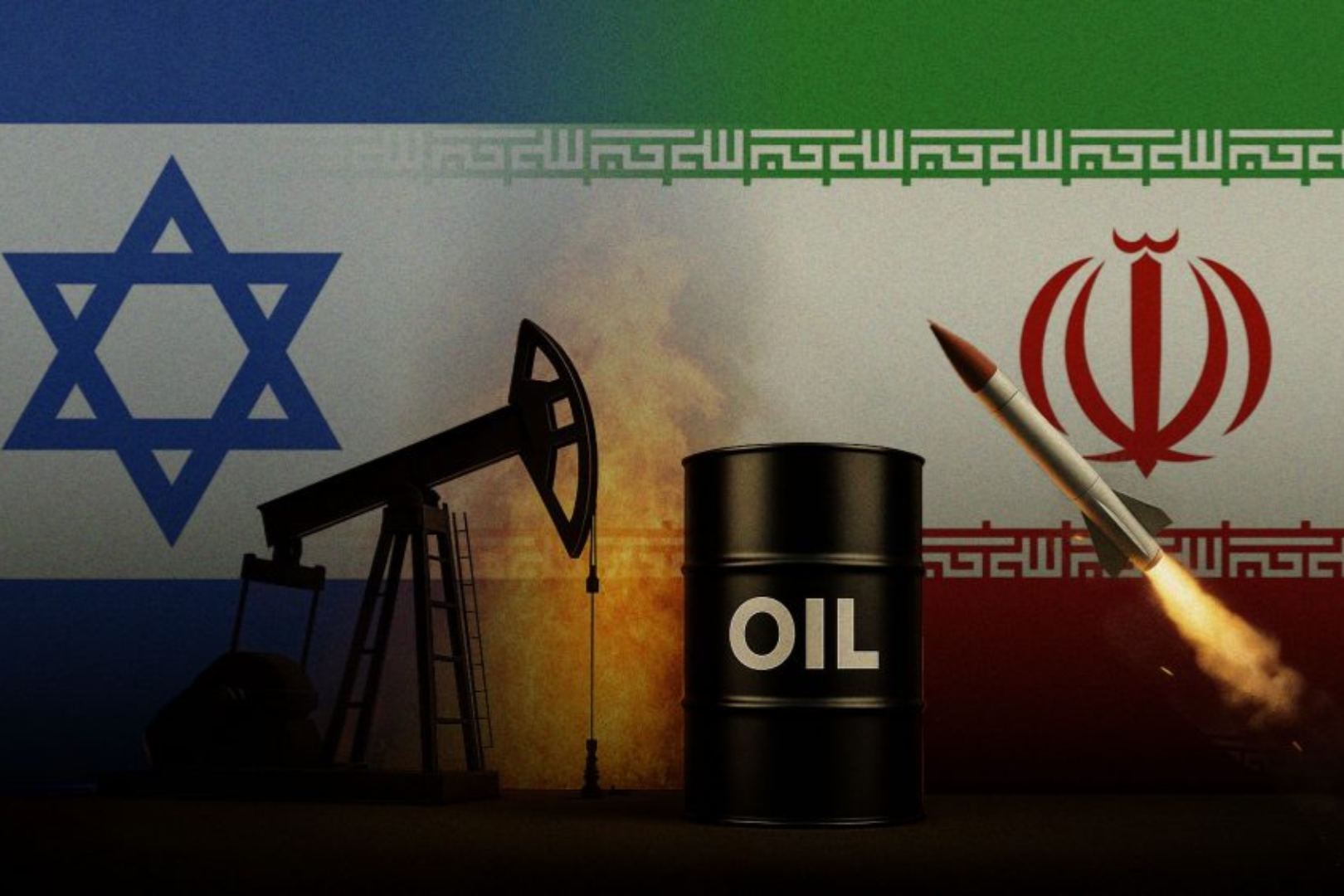
Overview
On 28 February 2026, when the United States-Israel military campaign officially hit, the global energy market fell into its worst supply shock since the 1973 oil crisis. The Strait of Hormuz — which carries about 20 per cent of the global transportation of crude oil and liquefied natural gas on a daily basis — has almost come to a standstill. Brent crude oil surged from less than $80 per barrel in the weeks following the outbreak of the conflict to a peak of $138, which was then gradually set back in anticipation of the peace talks, but as of 26 May 2026 prices continued to shock between $97 and $105 per barrel。
The impact of this site storm is far beyond the Middle East itself. Global inflation has re-emerged, oil prices in multinational gas stations have risen dramatically and costs in energy-intensive industries such as aviation, chemicals and shipping have risen sharply. At the same time, the crisis has created unprecedented opportunities for commodity traders and digital asset investors。
Key Takeaways
The physical blockade of the Strait of Hormuz led to a daily disruption of the supply of about 14 million barrels of crude oil, more than three times the size of the 1973 Arab oil embargo
Brent's oil peak touched $138/barrel, currently (May 2026) sorted between $97-105/barrel
UNITED STATES ENERGY INFORMATION AGENCY (IEA) LATEST FORECAST: BRENT AVERAGED ABOUT $96 PER BARREL IN 2026 AND WILL RETURN TO $89 IN THE SECOND HALF OF THE YEAR WITH HOLMUZE'S GRADUAL RESUMPTION
GOLDMAN SACHS DOWN Q2 BRENT FORECAST TO $90 PER BARREL AND MAINTAIN Q3 AT $82 AND Q4 AT $80
THE HEAD OF THE ABU DHABI NATIONAL PETROLEUM COMPANY (ANNOC) MADE IT CLEAR THAT, EVEN IF THE CONFLICT ENDED IMMEDIATELY, HOLMUZ WOULD BE ABLE TO RESUME FULL ACCESS AS EARLY AS THE FIRST OR SECOND QUARTER OF 2027. DEGREES
Oil price trends are highly dependent on diplomatic progress, and each round of peace talks triggers sharp price fluctuations
Why is this conflict so special
Historically, the volatility of the situation in the Middle East has frequently affected oil prices, but this time the level of destruction is far greater than ever before. Based onINTERNATIONAL ENERGY AGENCY (IEA) APRIL OIL MARKET REPORTIn March 2026, the global oil supply fell by 10.1 million barrels per day to 97 million barrels per day, the largest single-month decline in modern history。
THE UNDERLYING REASON IS THAT IN THE PAST, OIL FLOWS THROUGH THE STRAITS OF HORMUZ REACHED SOME 20 MILLION BARRELS PER DAY, COVERING MAJOR EXPORTS FROM SAUDI ARABIA, IRAQ, THE UNITED ARAB EMIRATES AND KUWAIT. ACCORDING TO AN ASSESSMENT BY AN ICIS ANALYST, THE CONFLICT RESULTED IN A LOSS OF APPROXIMATELY 14 MILLION BARRELS/DAY OF OIL PRODUCED IN THE MIDDLE EAST, AND NO ALTERNATIVE ROUTE ON LAND CAN BRIDGE THIS GAP。
Compared to the Arab oil embargo of 1973, that only took about 4 to 5 million barrels per day from the market, causing a fourfold rise in oil prices and triggering a multi-country recession. The impact was three times greater in absolute terms than in real terms, while the energy dependency of modern economies has not actually decreased。
Price time axis: from outbreak to present
Early March 2026 (conflict outbreak):Following the attack on Iran by the United States of America, the WTI futures bill rose by 24.6 per cent to $113, and Brent rose to the vicinity of $114. Based onFortune magazineDow Jones' futures crashed over 1,000 points the same day。
3 to 4 months peak: as the situation continues to escalateIEA DATAThis shows that Brent's spot price reached a historical high of $138 per barrel on April 7, with an average monthly price of $117 per barrel in April. At the same time, the price of oil in the middle of the Asian market was over $290 per barrel, a record high。
From April to May: the signing of the two-week ceasefire agreement gave the market a clear break。CBS News investigative coverageIt was noted that the average price of retail gasoline in the United States had risen to $4.06 per gallon, a peak in recent years, but with diplomatic contacts, prices had fallen slightly from peaks。
Late in May:& nbsp; brent offers between approximately us$ 103 and us$ 105/barrel. u.s. secretary of state rubio has publicly stated that there is a "sure solution" at the negotiating tableThe Washington TimesIt shows that oil prices fell once a week to $9.90, the first time in almost a month that they fell to $100。
III. Diplomatic progress normalized supply: details most easily overlooked
Many market participants equate "ceasefire" with "oil price fall", which is a dangerous miscalculation。
Based onPUBLIC STATEMENT OF THE ADNOC DIRECTOREven with the immediate cessation of the conflict and the return of the Strait of Hormuz to pre-war levels, the most optimistic estimate is to wait until the first or second quarter of 2027. This is due to the fact that the normalization of the Strait is a phased physical process: the resumption of production of upstream wells requires safety tests, port infrastructure needs rehabilitation assessments, tanker carriers need to recalculate navigational risk premiums and buyers and sellers need to rebuild supply chains。
ICIS analyst Kojo Orgle further stated that even if the strait were to be rapidly physically re-opened, the actual supply stress in the oil market was expected to continue for at least three months or more after a solution had been reached. This means that oil prices are equally limited after any peace agreement has landed。
IV. Horizontal comparison of the latest projections of the main bodies
There was a marked disagreement among agencies over the Brent average price for the whole of 2026, with core variables pointing to Holmuze ' s re-entry schedule:
UNITED STATES ENERGY INFORMATION AGENCY (EA): Short-term energy outlook for MayIT IS PROJECTED THAT BRENT ' S AVERAGE PRICE WILL BE ABOUT $106 PER BARREL FROM MAY TO JUNE, AND THAT THE AVERAGE Q4 PRICE WILL FALL TO $89 AND THE AVERAGE ANNUAL PRICE WILL BE ABOUT $96。
Goldman Sachs: inStudy reported by BloombergGOLDMAN SACHS RAISED BRENT'S ANNUAL AVERAGE IN 2026 TO $85 AND CHARACTERIZED THE SHOCK AS "THE LARGEST SUPPLY SHOCK EVER." SINCE THEN, WITH THE APPEARANCE OF THE PEACE TALKS, GOLDMAN SACHS IS PROJECTED TO LOWER BY Q2 TO $90, Q3 TO MAINTAIN $82 AND Q4 TO BASE 80。
Morgan Stanley:& nbsp; Q2 Brent predicts up to $110 per barrel, which is one of the most hawks in the major agencies, that the recovery of supply will be much slower than the market expected。
Macquarie Group:& nbsp; based onSeeing Alpha's analysisMcGree estimates that if the conflict continues until the end of the second quarter and Hormuz continues to close, oil prices are likely to climb to $200 per barrel。
BMI: has increased the 2026 brent average price projection by $8.5 per barrel。
J.P. Morgan:& nbsp; in pre-war projections, morgan chase used to believe that the brent average price in 2026 was about $60, but this determination was made prior to the outbreak of the conflict and the current reference value has declined significantly。
V. Three scenarios: where can oil prices go
Scenario 1: peace agreements reached and Hormuz gradually reopened (baseline scenario)
THIS IS THE MAIN DIRECTION OF CURRENT MARKET PRICING. IF THE MEJLIS REACH A PHASED AGREEMENT BY JUNE, BRENT IS EXPECTED TO GRADUALLY FALL FROM THE CURRENT $100 TO $80 TO $90 IN THE SECOND HALF OF 2026, OR CLOSE TO THE EIA FORECAST OF $70 AT THE END OF THE YEAR. HOWEVER, AS NOTED EARLIER, FULL NORMALIZATION OF SUPPLY STILL NEEDS SEVERAL QUARTERS。
Scenario 2: breakdown of negotiations, continuation of conflict (pressure scenario)
If the diplomatic process is deadlocked again, and the Holmuz blockade continues, oil prices may be recalculated at over $120, and the extreme scenario of $200 presented by McGrey will no longer be on paper. EY-Parthenon, Senior Economist, Lydia Boussour, says:Interview with CBS NewsShe made clear that even when the conflict ended, the supply chain's "delayed impact" would continue throughout 2026。
SCENARIO III: OPEC+CREATION OF UNEXPECTED INCREASES IN PRODUCTION (MITIGATION SCENARIO)
OPEC+ ANNOUNCES THAT THE VOLUME OF INCREASE CONTINUES, BUT IFAnalysis of Discovery AlertIT WAS NOTED THAT SEVERAL CORE MEMBER STATES OF OPEC+ WERE THEMSELVES AFFECTED BY THE CONFLICT AND THAT THE INCREASE IN PAPER-BASED QUOTAS WAS NOT EQUIVALENT TO AN INCREASE IN ACTUAL ON-SHORE SUPPLY. EVEN SO, NON-OPEC PRODUCTION IN THE UNITED STATES AND BRAZIL CONTINUES TO BE AT RECORD HIGHS, ONE OF THE REAL VARIABLES FOR EASING OIL PRICES。
VI. How oil price volatility affects encrypted currency and investor strategies
The sharp volatility of crude oil prices is not just an issue for traditional energy investors。
Inflation and macromoment:& nbsp; Each $10/bunk increase in oil prices usually drives the global CPI up by about 0.3 to 0.5 percentage points. Current oil prices still exceed $100, meaning that the Fed’s interest rate reduction is expected to continue to be suppressed, which constitutes a macro-pressure of risky assets, including encrypted currencies。
Insistence and financial flows: during the escalation phase of the conflict, funds tend to go to gold and dollars. However, historical data show that in some areas (e.g. economies with a devaluation of the Iranian franc and an intensification of sanctions), the BTC and USDT chains tend to climb simultaneously and become alternative storage and cross-border transfers。
Large commodity trading opportunities: for investors wishing to seize trading opportunities in the midst of oil price fluctuationsMEXC provides diversified trading products, including crude oil-related contracts, which provide a flexible tool for professional traders in line with the world ' s deepest trading options for liquidity and leverage up to 200 times。
VII. MEXC Crypto Pulse ' s sole-source perspective
The core logic of the current oil market lies in a time lag that is generally underestimated by the market: the diplomatic axis and the supply recovery axis are two fundamentally different curves. Every time the market reacts to the news of the peace talks, there is a false assumption that the oil price risk will disappear on the day the agreement is signed。
In our view, the crude oil trade in the second half of 2026 will take on a special pattern: the overall downward movement of price ranges (from $110 to $80 to $90), but the volatility will not narrow. Each round of peace talks is either progress or a breakdown of negotiations, which will trigger a single-day wave of several dollars or even a dozen dollars. This pattern of "low-priced high-cost" is a trap for trend-held investors and a window of opportunity for short-line traders who are able to grasp the event nodes with precision。
ANOTHER AREA OF CONCERN IS THE FACT THAT HIGH OIL PRICES ARE SYSTEMATICALLY PUSHING UP THE DRILLING ECONOMY IN NON-OPEC-PRODUCING AREAS OF THE UNITED STATES (ESPECIALLY IN THE DIAPHRAGM BASIN), AND THAT UNITED STATES CRUDE OIL PRODUCTION IS LIKELY TO REACH A NEW HIGH IN THE SECOND HALF OF 2026. IF THE SUPPLY IN THE MIDDLE EAST WERE TO GRADUALLY RECOVER IN 2027, THEN THERE WOULD BE DOUBLE INCREMENTAL PRESSURE FROM HIGH UNITED STATES AND RE-EMERGENCE IN THE MIDDLE EAST, AT WHICH POINT THE PRICE ADJUSTMENT MIGHT BE MUCH HIGHER THAN CURRENTLY EXPECTED。
FAQ
Q: HOW MUCH HAS THE CLOSURE OF THE STRAIT OF HORMUZ AFFECTED GLOBAL OIL PRICES
A: THE STRAIT OF HORMUZ IS THE MOST IMPORTANT SHIPPING ROUTE FOR CRUDE OIL IN THE WORLD, PASSING ABOUT 20 MILLION BARRELS OF CRUDE OIL AND LNG DAILY IN NORMAL TIMES, ACCOUNTING FOR ABOUT 20 PER CENT OF THE GLOBAL ENERGY SUPPLY. THE CONFLICT CAUSED AN INTERRUPTION IN THE SUPPLY OF APPROXIMATELY 14 MILLION BARRELS PER DAY, DIRECTLY DRIVING BRENT CRUDE OIL PRICES FROM A PEAK OF $138 BELOW $80, THE LARGEST SINGLE SUPPLY SHOCK IN MODERN OIL MARKET HISTORY。
Q: WILL OIL PRICES CONTINUE TO RISE
A: THIS IS HIGHLY DEPENDENT ON PROGRESS IN THE PEACE TALKS. UNDER THE BASELINE SCENARIO, AS HORMUZ GRADUALLY RESUMES ACCESS IN THE SECOND HALF OF THE YEAR, BRENT IS EXPECTED TO RETURN FROM THE CURRENT APPROXIMATELY $100 TO $80 TO $90. BUT IF THE NEGOTIATIONS BREAK DOWN, THE EXTREME SCENARIO DOES NOT RULE OUT RETESTING MORE THAN $120 OR HIGHER. THE AGENCIES FORECAST SIGNIFICANT DIFFERENCES AND NEED TO KEEP TRACK OF DIPLOMATIC DEVELOPMENTS。
Q: DOES THE OPEC+ INCREASE ALLEVIATE SUPPLY SHORTAGES
A: IN THEORY, BUT WITH LIMITED PRACTICAL EFFECT. SEVERAL CORE OIL PRODUCING COUNTRIES WERE THEMSELVES AFFECTED BY THE CONFLICT, AND PAPER-BASED INCREASES COULD NOT BE IMMEDIATELY TRANSLATED INTO ACTUAL DELIVERIES. PRODUCTION GROWTH IN NON-OPEC-PRODUCING AREAS, SUCH AS THE UNITED STATES AND BRAZIL, IS A MORE EFFECTIVE MITIGATING FORCE, BUT STILL ON A SCALE INSUFFICIENT TO COVER THE SUPPLY GAP OF ABOUT 14 MILLION BARRELS PER DAY IN THE MIDDLE EAST。
Q: HOW WILL THE IRANIAN CONFLICT AFFECT THE ENCRYPTED CURRENCY MARKET
A: INDIRECT IMPACTS ARE TRANSMITTED MAINLY THROUGH TWO PATHWAYS. ONE IS THE MACRO PATH: HIGH OIL PRICES PUSH UP INFLATION, STIFLING CENTRAL BANK INTEREST RATE EXPECTATIONS AND PUTTING PRESSURE ON RISKY ASSETS AS A WHOLE. THE SECOND IS THE DEMAND PATH: IN ECONOMIES UNDER SANCTIONS OR PRESSURE OF DEVALUATION, THE USE OF BTC AND USDT AS ALTERNATIVE FINANCIAL INSTRUMENTS IS USUALLY ON THE RISE, A PATTERN THAT HAS BEEN VALIDATED MANY TIMES BY HISTORICAL DATA。
Q: HOW DO ORDINARY INVESTORS PARTICIPATE IN CRUDE OIL-RELATED TRANSACTIONS
A: Investors can participate in crude oil operations through multiple channels, including crude oil futures, ETF and & nbsp;MEXC a contract for dealing in crude oil or digital assets associated with energy prices. attention needs to be paid to the high risk of large commodity transactions and caution is recommended when the risks of leverage are fully understood。
Q: WHAT ARE THE REASONABLE EXPECTATIONS OF OIL PRICES IN 2026
A: ACCORDING TO THE LATEST AGENCY ESTIMATES, THE AVERAGE ANNUAL PRICE OF BRENT CRUDE OIL IN 2026 COULD BE BETWEEN $80 AND $96 PER BARREL, HIGHER THAN THE PRE-CONFLICT LEVEL OF $60 TO $65 BUT LOWER THAN THE PEAK PERIOD OF THE CONFLICT. UNCERTAINTY IS HIGH, WITH THE MAIN VARIABLES BEING THE ACTUAL TIME NODE OF HOLMUZE ' S RE-ENTRY AND THE RESULTS OF THE NEGOTIATIONS BETWEEN THE UNITED STATES AND IRAQ。
Disclaimer
This paper is for information purposes only and does not constitute any investment proposal or financial product introduction. Transactions of crude oil and related assets are subject to higher market risks and prices may fluctuate sharply due to unforeseen factors such as geopolitical and policy changes. Readers should fully assess their own risk tolerance before making any investment decisions and consult with professional financial advisers. Past performance does not represent future gains。
