
The ceasefire has been extended indefinitely, and how long will the conflict between the United States and Iraq take?
Trump sent Iran to the program.
Original title: Trump Express Iran Ceasefire, Blockade as Peace Talks Stumble
By Courtney Subramanian and Jennifer A Dlouhy, Bloomberg
Original by Peggy, Block Beats
According to the editor: United States President Donald Trump announced an indefinite extension of the ceasefire with Iran before the end of the ceasefire while maintaining the maritime blockade of the Strait of Hormuz. Trump stated that the United States would extend the ceasefire until Iran submitted a new proposal, “and, whatever the outcome of the negotiations, reach a conclusion”; he also stressed that, without this blockade, “there could be no agreement with Iran”。
From a strategic perspective, the United States is trying to use the combination of "extension of the ceasefire + maintenance of the blockade" to continue to pressure Iran to compromise on the nuclear issue and the terms of the negotiations, while avoiding the immediate escalation of the conflict into a full-scale war. However, the Iranian side has not accepted the terms of the negotiations, nor has it taken the initiative to request an extension of the ceasefire. Instead, it has maintained a hard-line response on energy exports and military postures, leaving both sides deadlocked on the central issue of whether and how to talk。
It is even more noteworthy that this confrontation has begun to spill over into the global market. The blockade and repeated opening of the Strait of Hormuz, which is a key route to global energy transport, not only exacerbates oil price volatility, but also exacerbates uncertainty about the energy and shipping systems. In the short term, the extension of the ceasefire provides some buffer for the market; in the medium to long term, however, in the absence of a clear negotiating framework and basic mutual trust, the passive continuation of the ceasefire is more like a fragile balance that could be broken at any time。
When the diplomatic path continues to be blocked and military deterrence increases, the next phase of the conflict will depend on whether the parties return to the negotiating table or slide to more intense confrontation。
The following is the original text:
The United States President Donald Trump announced an indefinite extension of the ceasefire with Iran before the end of the ceasefire; at the same time, the United States maintained the maritime blockade of the Strait of Hormuz after the parties’ original peace talks broke down。
Trump, on his social platform, stated that Pakistan, as a mediator, had asked the United States to suspend a new strike. The United States will extend the ceasefire until Iran has submitted a new proposal and “negotiated conclusions, whatever the outcome”. In another communication, he also stated that without this blockade, "there could be no agreement with Iran." Unless we blow up the rest of their country, including their leaders!"
The U.S. Vice President, JD Vance, had planned to travel to Pakistan to resume negotiations with Iran, but representatives from Tehran refused to attend, stating that the terms proposed by the US were “unacceptable”. According to the Iranian semi-official news agency Tasnim, Iran’s participation in the negotiations is “no longer possible”。
In a statement, a White House official confirmed that the Vice-President ' s scheduled Tuesday trip would not take place。
This statement is in stark contrast to what Donald Trump said earlier that day. In an interview with CNBC, he stated that if Iran did not meet its requirements, "I expect to launch a bombing" and that the United States forces were "exhausted and ready to act". In a telephone interview on Monday, Trump also stated that it was “very unlikely” that he would extend the current ceasefire if no agreement could be reached。
The news of the extension of the ceasefire led to the second consecutive rise in oil prices. Brent crude oil prices, after cumulatively rising by nearly 9 per cent over the last two trading days, are currently about $98 per barrel. The price of crude oil was once lower than $60 in January and peaked at 119.50 in March. The average retail price of gasoline in the United States is currently about $4 per gallon, compared to about $3 before the war on 28 February。
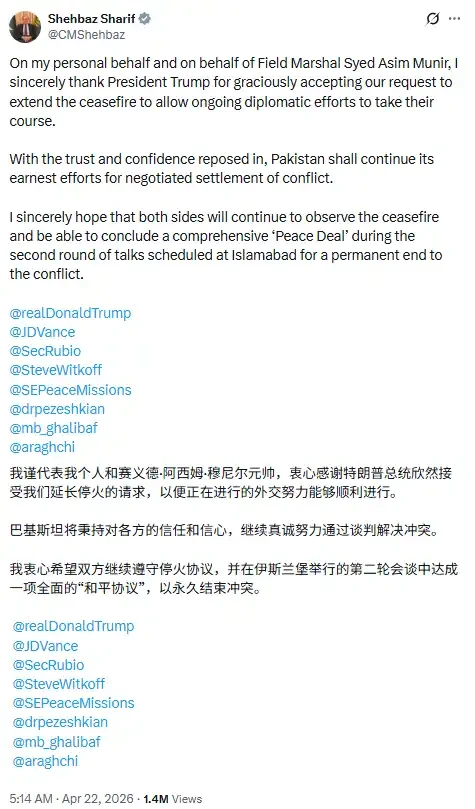
In a statement, the Prime Minister of Pakistan, Shehbaz Sharif, thanked Trump for extending the ceasefire "to buy time for sustained diplomatic efforts to enable it to proceed smoothly"。
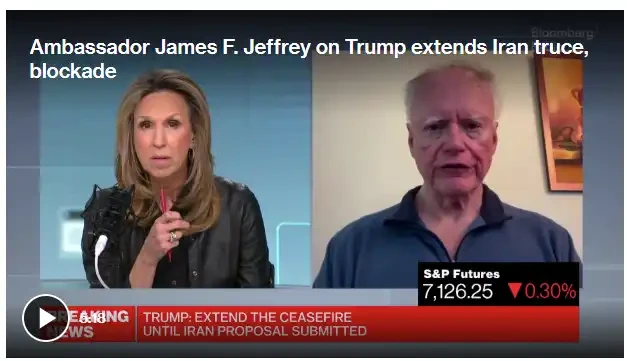
The former United States Deputy National Security Adviser, Philip Solondz, a distinguished researcher at the Washington Institute, James F. Jeffrey, guest of Bloomberg Businessweek Daily, discussed the extension of the ceasefire and engaged in a dialogue with the moderators Carol Massar and Tim Stenovac。
“I SINCERELY HOPE THAT BOTH PARTIES WILL CONTINUE TO ABIDE BY THE CEASEFIRE AND REACH A COMPREHENSIVE “PEACE AGREEMENT” IN THE SECOND ROUND OF NEGOTIATIONS IN ISLAMABAD, THUS BRINGING A PERMANENT END TO THE CONFLICT”, HE WROTE ON PLATFORM X
Iranian high-ranking officials have not responded to Donald Trump’s statement during the night in Tehran. The Iranian parastatal, Tasnim News Agency, citing unknown sources, stated that Iran had not requested an extension of the ceasefire. At the same time, the media indicated that Iran would not reopen the Strait of Hormuz as long as the United States maintained its maritime blockade。
The Iranian semi-official Fars news agency quoted military statements stating that the Iranian armed forces were " in full alert and their fingers were pulled on the trigger " 。
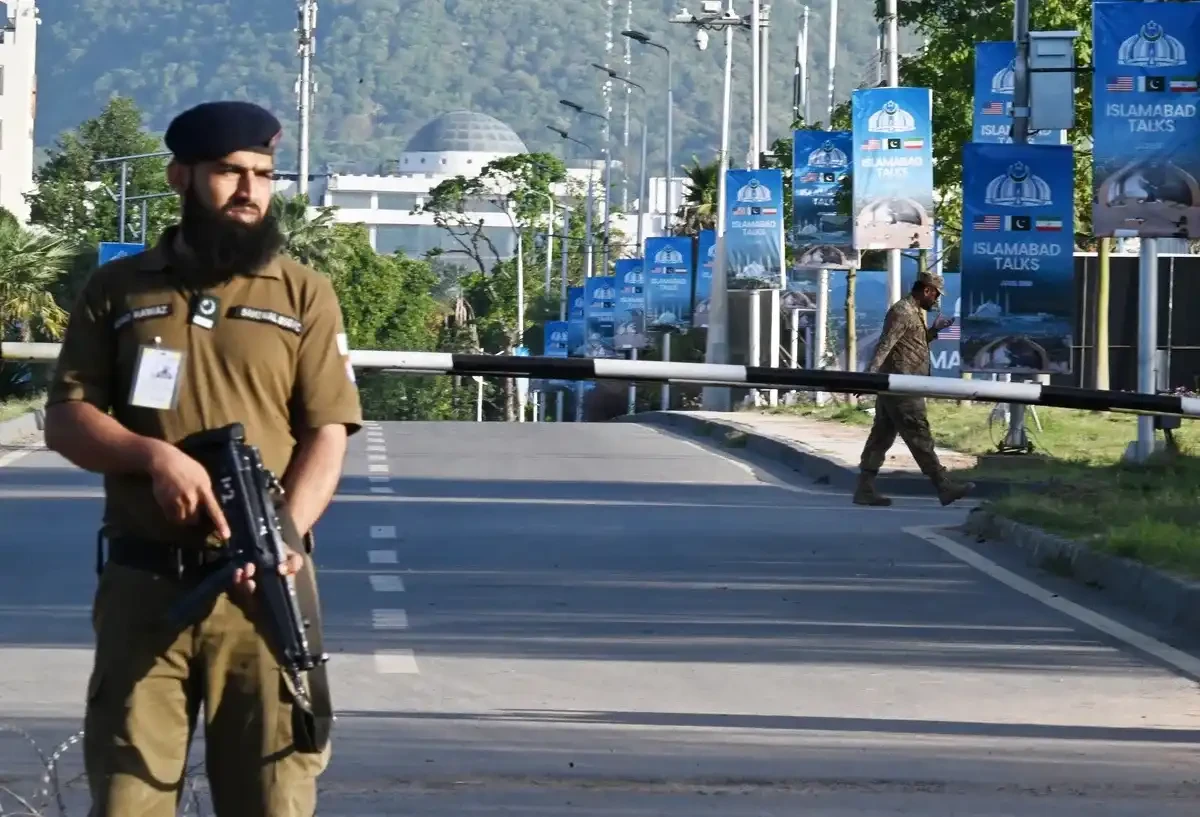
Security personnel were guarding a checkpoint near the Selina Hotel in Islamabad on 22 April. Photo by Aamir Qureshi / AFP / Getty Images。
These developments mark the latest round of repeated saw-sawing between Washington and Tehran since the declaration of a two-week ceasefire between the United States and Iraq on 7 April. Since then, the parties have been in constant public dispute over the terms of the agreement and have alternately closed and reopened the Strait of Hormuz. Prior to the war, about one fifth of global oil and liquefied natural gas exports were transported through the Strait。
According to the data intelligence company Vortexa, at least two full-loaded Iranian tankers have sailed out of the Persian Gulf this week and breached the United States blockade. The company's data also show that Iran still has the capacity to export oil, with at least 34 Iranian-related tankers and gas carriers passing through the Strait of Hormuz and passing through the naval blockade。
On Wednesday, the British Navy indicated that an Iranian gunboat had fired on a container ship near the Strait of Hormuz, causing “serious damage” to its platform, which had not resulted in casualties。
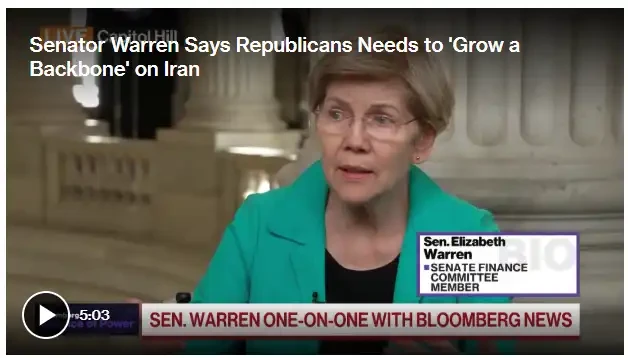
Senator Elizabeth Warren of the Massachusetts Democratic Party criticized President Donald Trump for the lack of a clear solution to the Iranian conflict. Warren made this observation in the programme Balance of Power: Evening Edition。
Britain and France are convening a two-day summit of military planners from more than 30 countries to discuss how to ensure that the Strait of Hormuz remains open. British Prime Minister Keir Starmer and French President Emmanuel Macron have been taking the lead in coordinating a plan aimed at keeping the Strait open after the end of the Iranian war, although they have rejected Trump's request that allies reopen the Strait of Hormuz by force。
After the initial ceasefire was declared, a round of negotiations between the United States and Iran ended in failure. United States officials stated that Iran was reluctant to accept restrictions on its nuclear programme, while the Iranian side stated that the United States had made a series of demands that it could not accept。
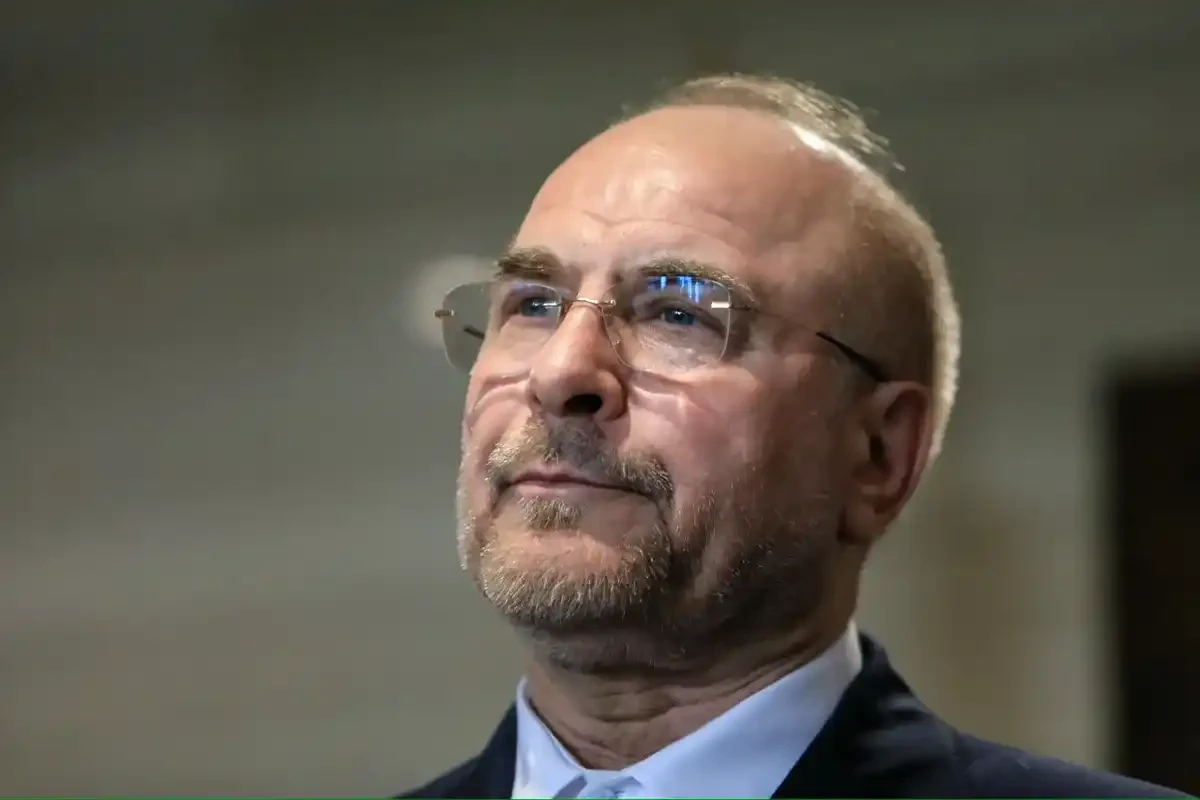
Mohammad Bagher Ghalibaf, Speaker of the Iranian Parliament
Mohammad Bagher Ghalibaf, President of the Iranian Parliament, led a Tehran delegation to the first round of negotiations. On Monday, he said that Iran would not "negotiate under threat."。
While the extension of the ceasefire may calm investor sentiment in the short term, the lasting agreement leading to an end to the war remains fraught with uncertainty. This conflict, which has entered its eighth week, has resulted in thousands of deaths and triggered a global energy crisis, which has also put greater pressure on both sides to look for a “exit path”。
Donald Trump demanded that Iran abandon its attempts to develop nuclear weapons and surrender its nuclear material. The Tehran side denied such attempts and refused to surrender its enriched uranium。
Alex Vatanka, a senior researcher at the Middle East Institute, said that Trump was in some way "pushing himself to the corner" because he did not actually want to return to military conflict。
“He made a strategic mistake thinking that pressure on Iranians’ voices would work,” Vatanga said, “This is not working for the regime. Low-key pressure is often more effective than overt pressure.”
